The workplace is changing. Fixed desks are disappearing, replaced by shared spaces and flexible ways of working. But something might be missing. Without a place of their own, many people are left without a sense of anchor in their day.
Together with design studio Spacon, we set out to create a new furniture system that explores and addresses this shift.
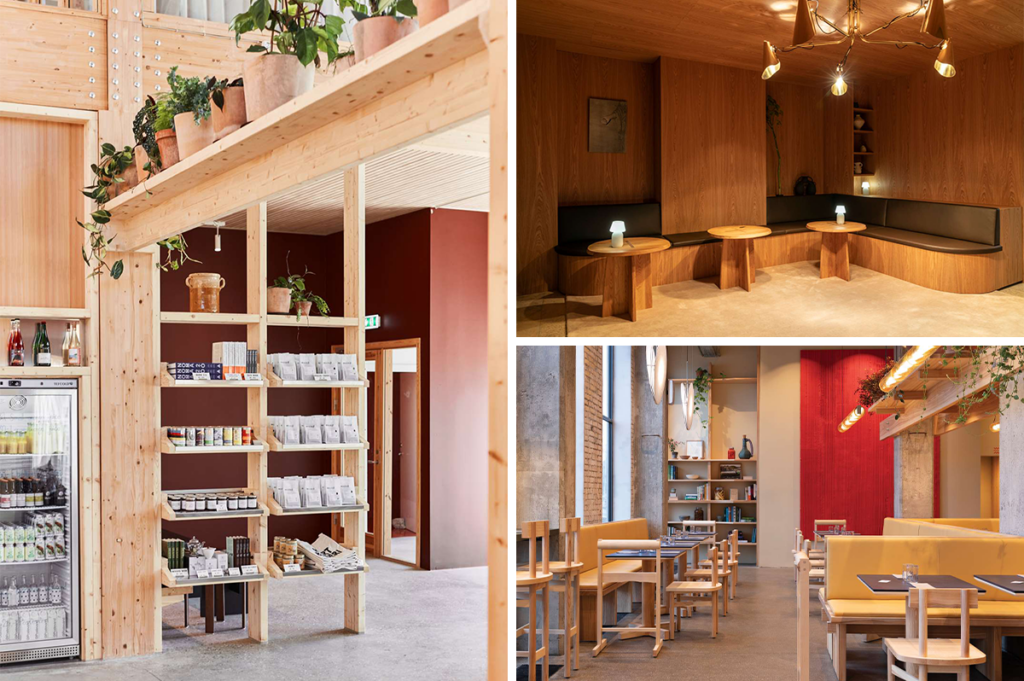
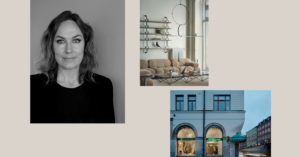
Collaborations include Hart Bakery (photo: Fritz Buziek), POPL and Restaurant AOC
A collaboration shaped by space and behaviour
The collaboration with Spacon builds on previous projects, including POPL, Hart Bakery, and Restaurant AOC – always with a focus on how people move, feel, and interact with space.
Moving from space design into product design, we put our Recrafted ethos into play: a material-driven approach in which we work with upcycled and reused elements to determine solutions.
Rethinking the locker
The locker is one of the few places people still return to every day.
As workplaces become more fluid, the need for personal space has not disappeared – it has simply changed form. Instead of acting solely as storage, the locker becomes a stable and personal presence within a shared environment.
Remember the feeling of receiving a personal letter?
The idea draws on the classic high school locker, where people leave their mark and naturally gather. Pigeonholes encourage colleagues to exchange notes, objects, or small gestures throughout the day, adding a social layer to the furniture itself.
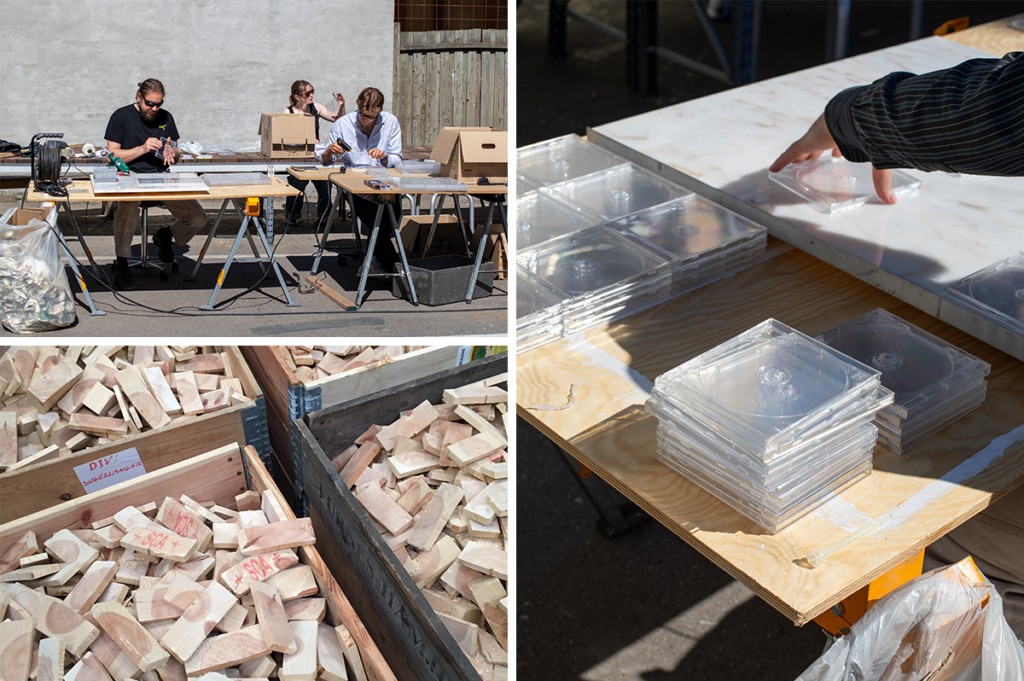
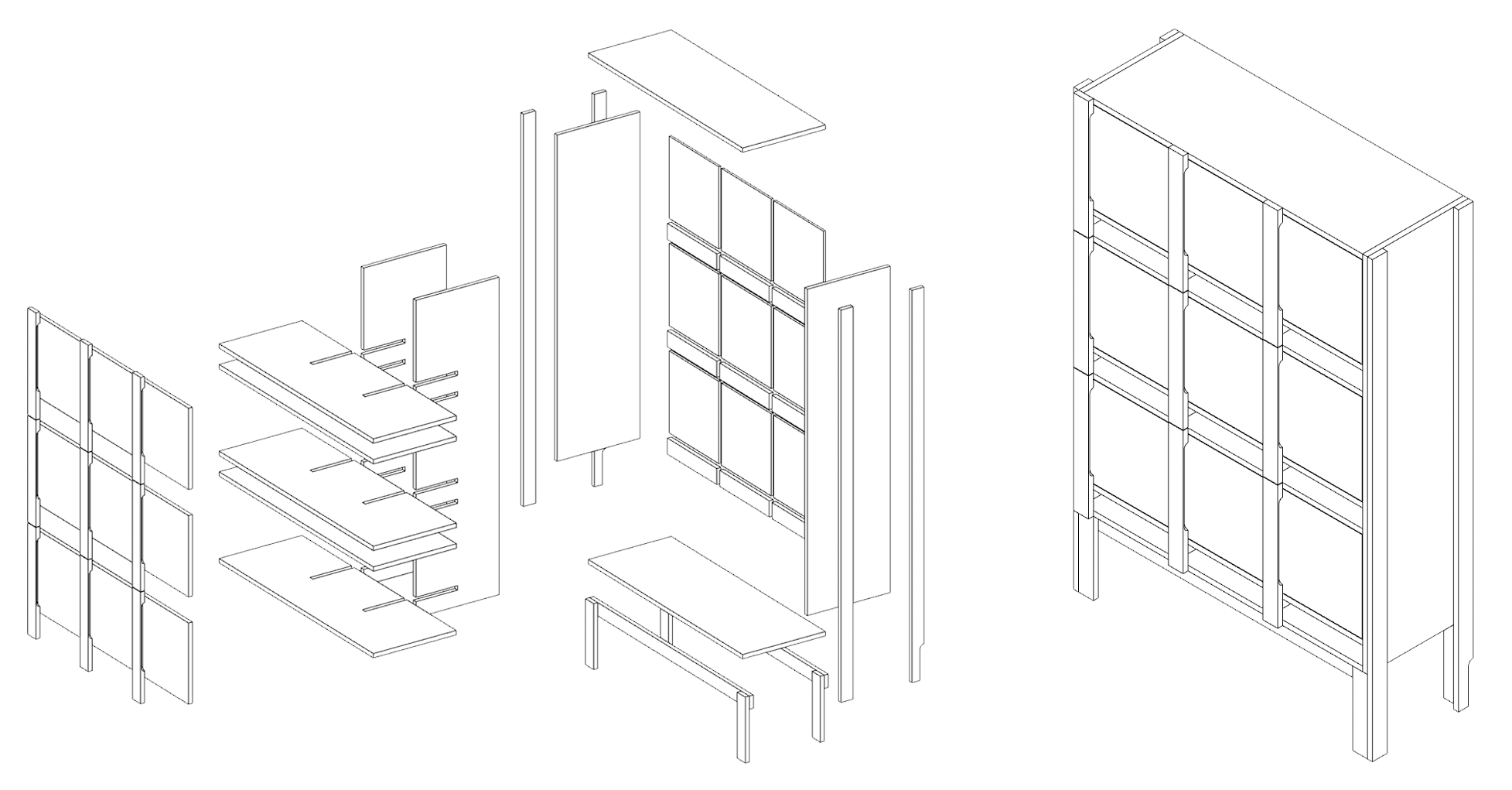
The lockers are built as a modular nine-unit structure with multiple variations, crafted from surplus wood from window production and 100% recycled wood fibre. Some modules create standing-height meeting points, while lower configurations can function as informal touchdown spaces.
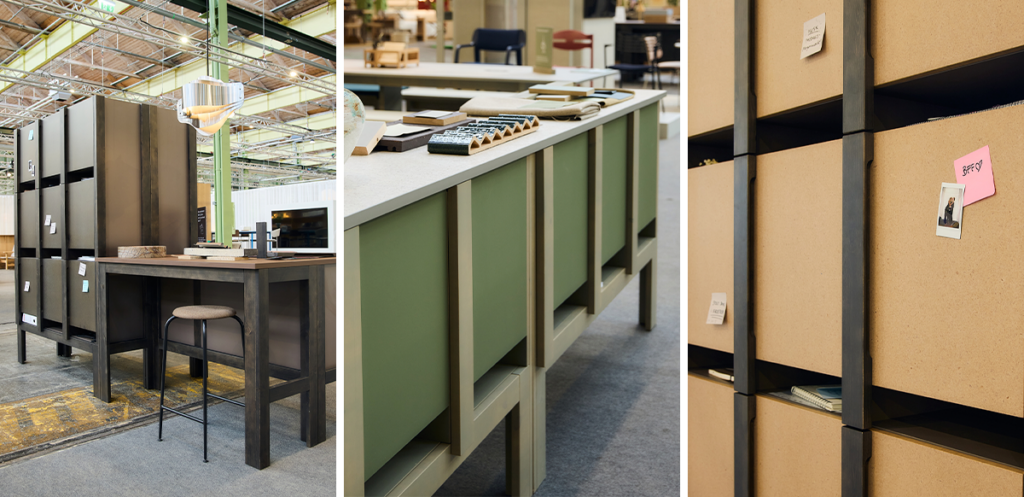
Let’s make pigeonholes great again.
The collaboration was presented at this year’s Trends & Traditions alongside The Jewel Case, an exhibition piece by Spacon.
The Jewel Case
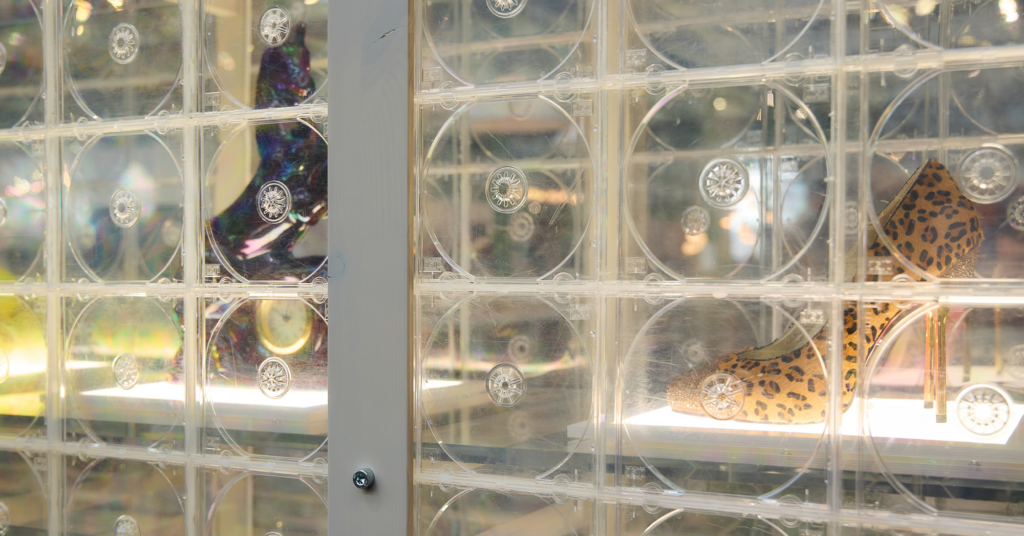
Recreated in clear recycled CD jewel cases, the installation allowed visitors to look directly inside at curated personal objects – each illuminated from below by a light panel. Together, the transparent lockers formed a collective display where individuality became part of the shared space.
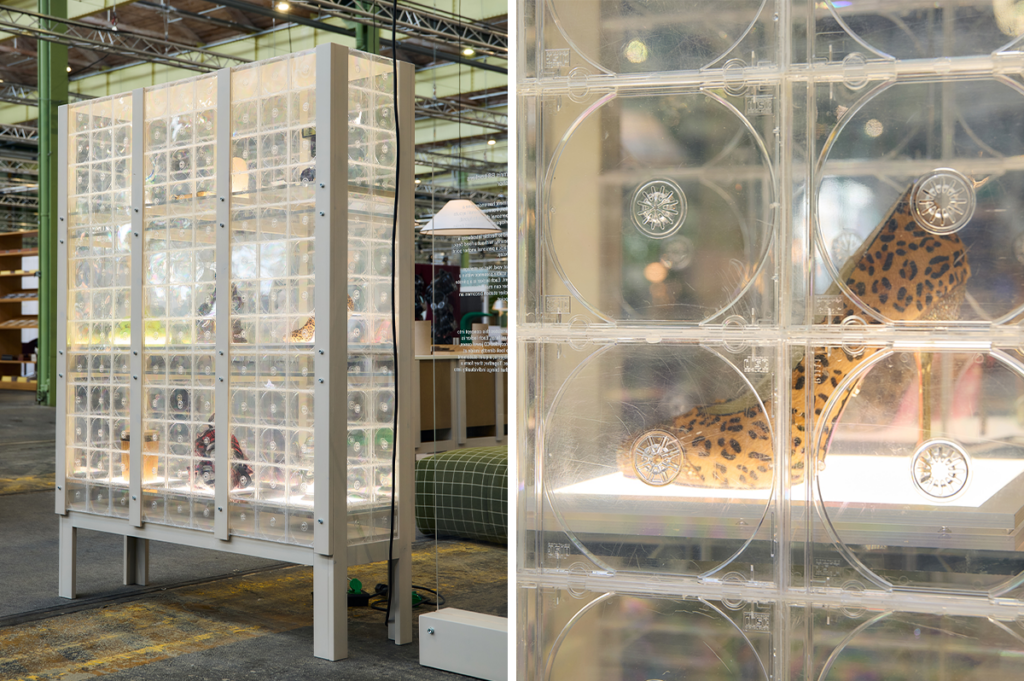
The piece reflects a broader question explored throughout the collaboration: what happens to our sense of belonging when the workplace becomes increasingly flexible, shared, and activity-based?
As offices continue to evolve, the need for personal space has not disappeared – it has simply changed form.
See the locker system as first presented at Trends & Traditions 2026 below.
Want to learn more about how we work with upcycled and recycled materials?
Take a look at our Recrafted Collection.
Interested in exploring how spatial design can support new ways of working?
Read about activity-based workplace design or get in touch with us for a conversation about future behaviour and workplace design.