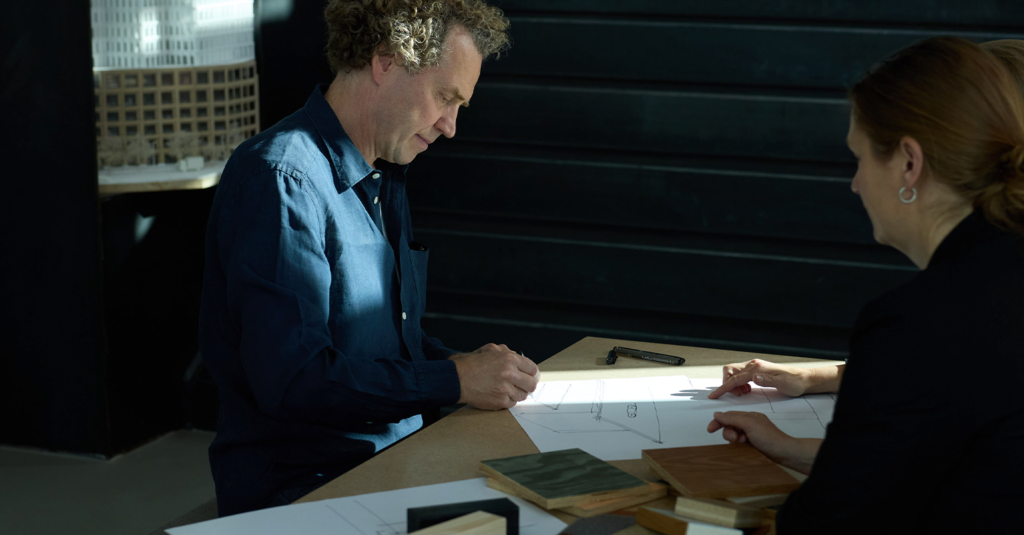
How can something so simple be so good?
Informal is stripped down to the essentials. A table, a bench, and not many rules about how to use them. Perhaps that’s exactly why the series fits so well with the way we work and meet today.
Part of the Recrafted by Holmris B8 collection, Informal was designed by AART Designers with the ambition of creating simple, robust, and functional furniture for the modern workplace. The clean lines and well-proportioned surfaces give the table and bench a calm, architectural expression that fits naturally into a variety of spaces.
Designed for informal encounters. The quick conversations, spontaneous meetings, and little breaks that happen throughout the day.
As the name Informal suggests, the series is designed for informal encounters. The quick conversations, spontaneous meetings, and little breaks that happen throughout the day without anyone booking a meeting room or sending a calendar invite.
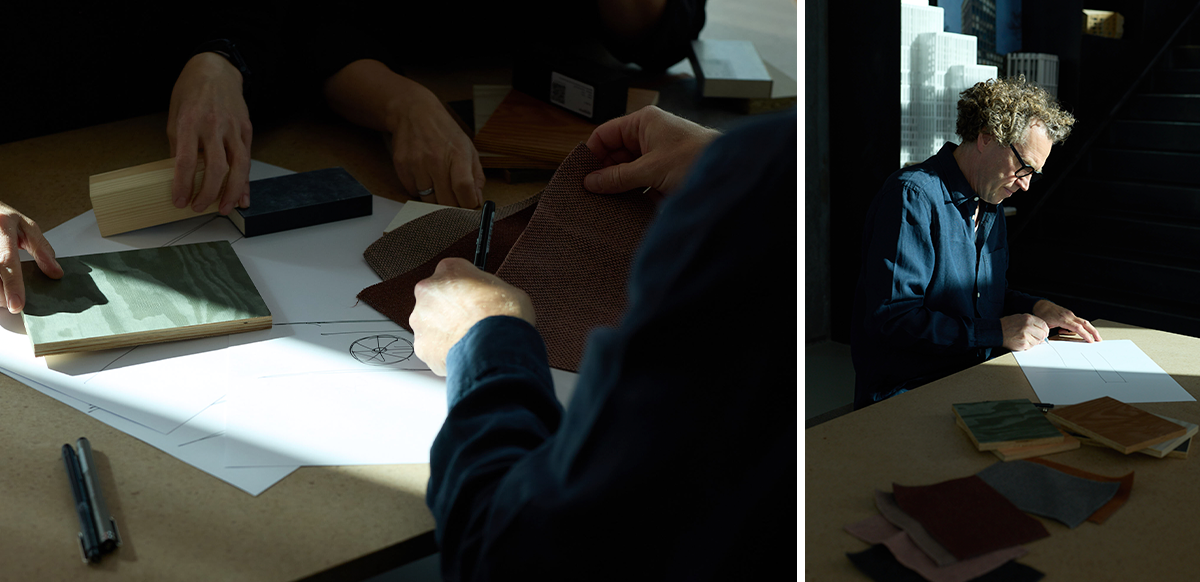
The workday goes beyond the desk
According to a study by Leesman, 52 percent of employees consider informal, unplanned meetings an important part of their work.¹ Meanwhile, a global study by Steelcase indicates that employees with access to a variety of workspaces experience a stronger sense of community and higher engagement.²
52 percent of employees consider informal, unplanned meetings an important part of their work.
It makes sense. After all, a modern workday rarely consists of just one activity that calls for one particular piece of furniture.
We focus. Have quick meetings. Eat lunch. Bounce ideas off a colleague. Gather five people around what started as a conversation between two. Run a workshop. Grab a coffee.
Some areas of the office need to make it very clear what they’re intended for. Others can leave a little more room for imagination.
And this is where something as simple as the difference between a chair and a bench gets interesting.
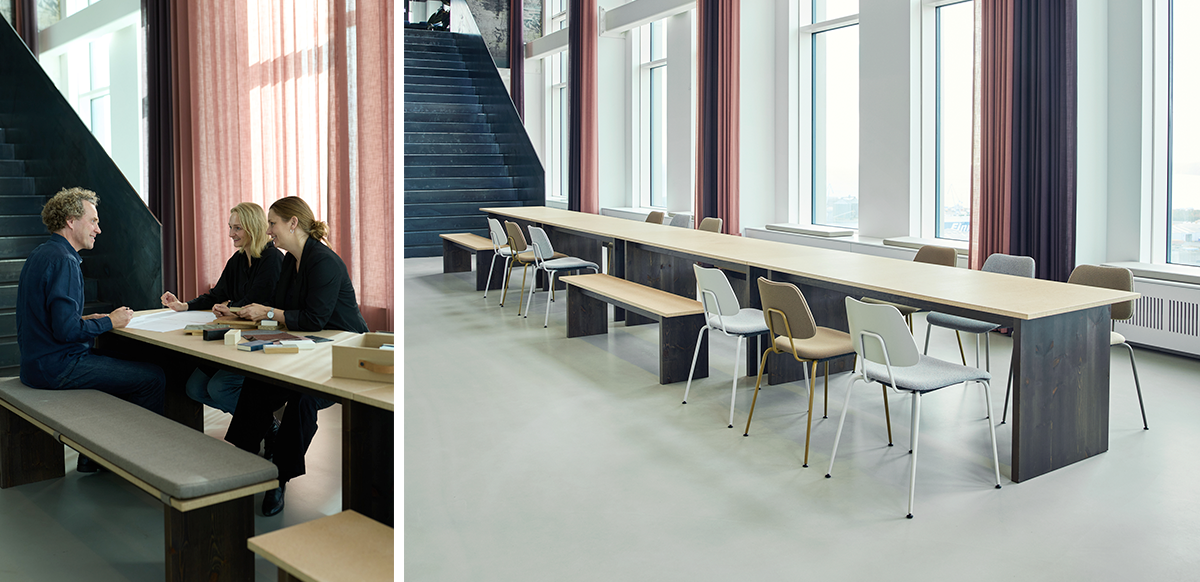
How many people can fit on a bench?
Four chairs around a table tell us there’s room for four.
A bench is less specific. There’s room for two. Or three. Or perhaps one more if everyone moves over a little. You can sit at the end of the table, put your laptop beside you, or use the table for something entirely different from the person who used it before you.
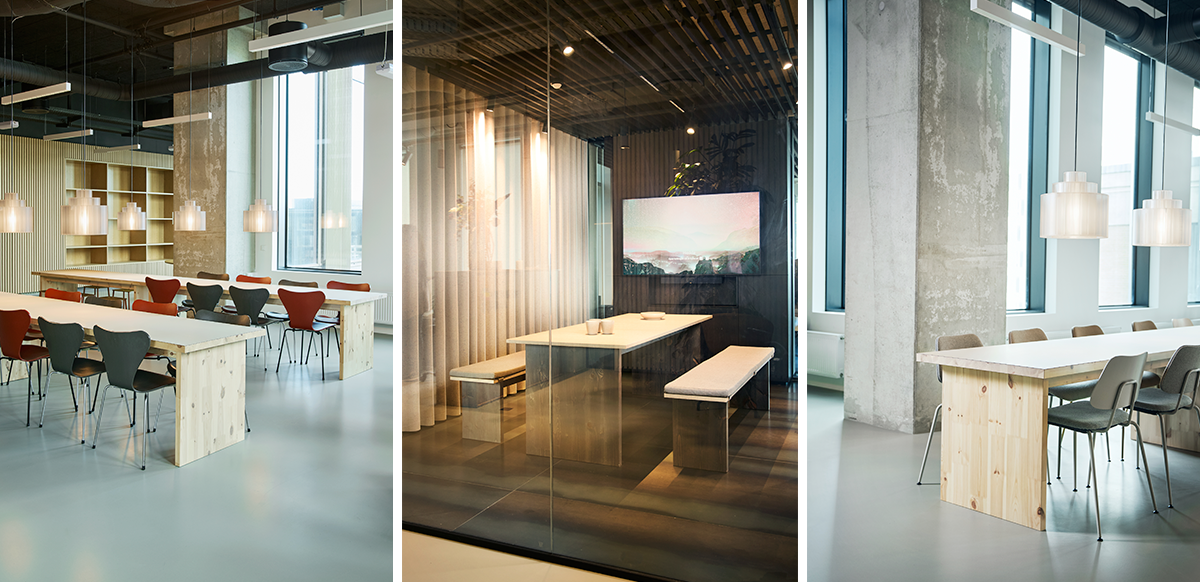
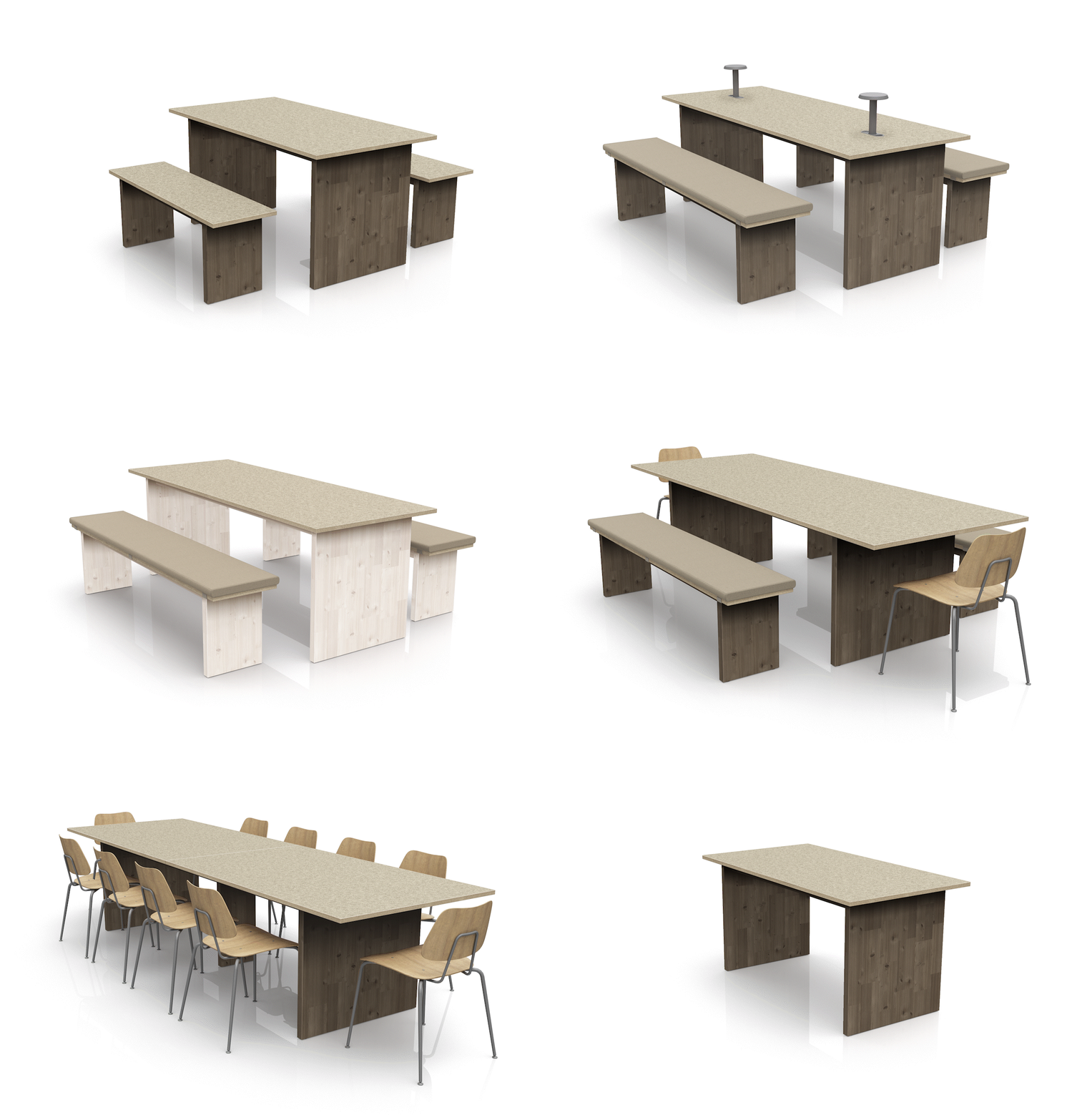
Informal can serve as a small meeting spot between workstations, a place to gather for lunch in the cafeteria, or a setting for workshops and group activities. Several tables can be lined up end to end to accommodate larger gatherings, while a single bench can create an informal spot to sit in a hallway or common area.
Less is more
Informal actually started as a much more complex piece of furniture.
The first versions were developed using leftover wooden boards from flooring production and consisted of several modules that could be combined in different ways. The idea was to give users as many options as possible. In practice, however, all that flexibility made the furniture harder to understand.
“People weren’t quite sure how to use the Informal modules. There was simply too much flexibility,” says Morten Hove Lasthein, Partner and Head of Design at AART Designers.
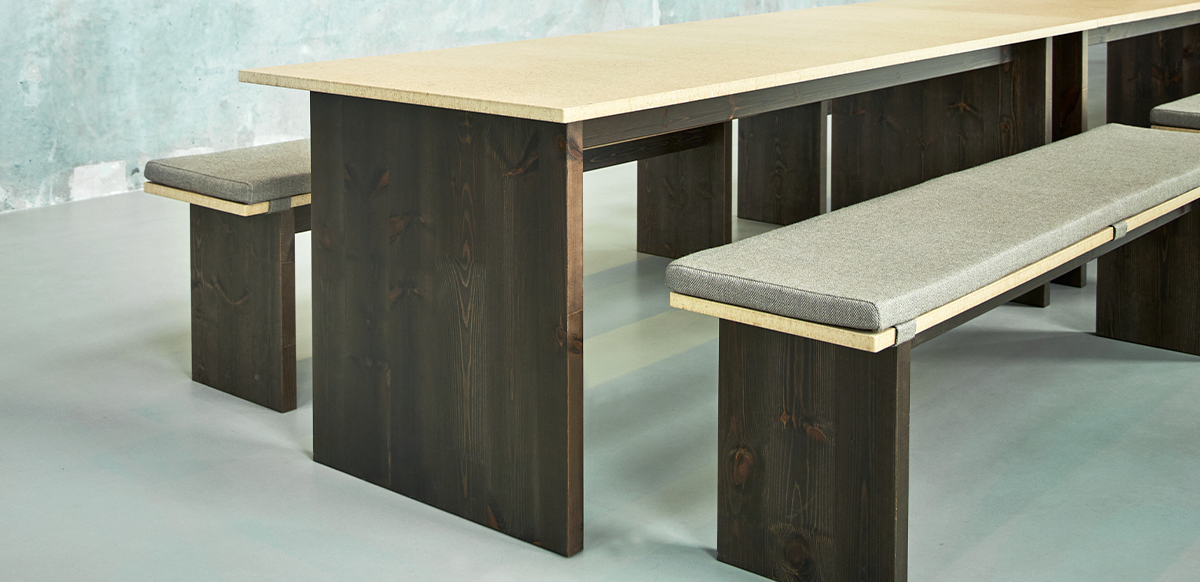
So the series was gradually simplified until only two basic elements remained: a table and a bench. And the simpler the design has become, the easier it is to imagine all the different ways it can be used.
Simplicity in material choices
From the very beginning, the ambition was to create something new from existing resources. The first Informal pieces were made from leftover Douglas fir. Today, the series is made from pine offcuts from NORTO, with the option of tabletops in Really or ReMade, both made from leftover materials that would otherwise have been discarded.
Informal is also designed with a long lifespan in mind. Its simplicity means it isn’t tied to any particular interior style and can adapt as tastes and needs change. The robust construction and surfaces that can be maintained allow the furniture to withstand years of everyday use. The pieces are also designed to be disassembled so that the individual materials can be handled separately.
Informal in new colors
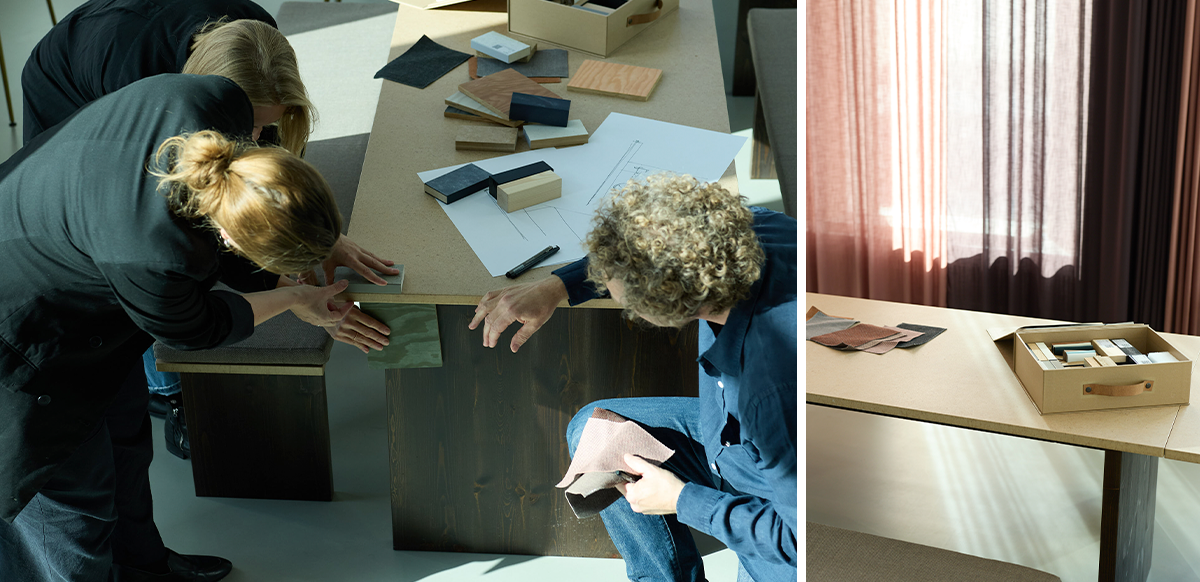
Informal now gets a new look with two new frame colors, green and gray.
The colors complement the natural character of the wood, giving you more options to let the furniture blend into its surroundings or stand out.
But the original idea remains the same. Simplicity that leaves room for the people in the space to decide how to use the furniture.
Get inspired by the range of sizes, materials, and colors, and find the combination that fits your space:
1. Leesman, “The workplace why”, 2025
2. Steelcase, Designing Spaces to Build Community in the Workplace, 2026