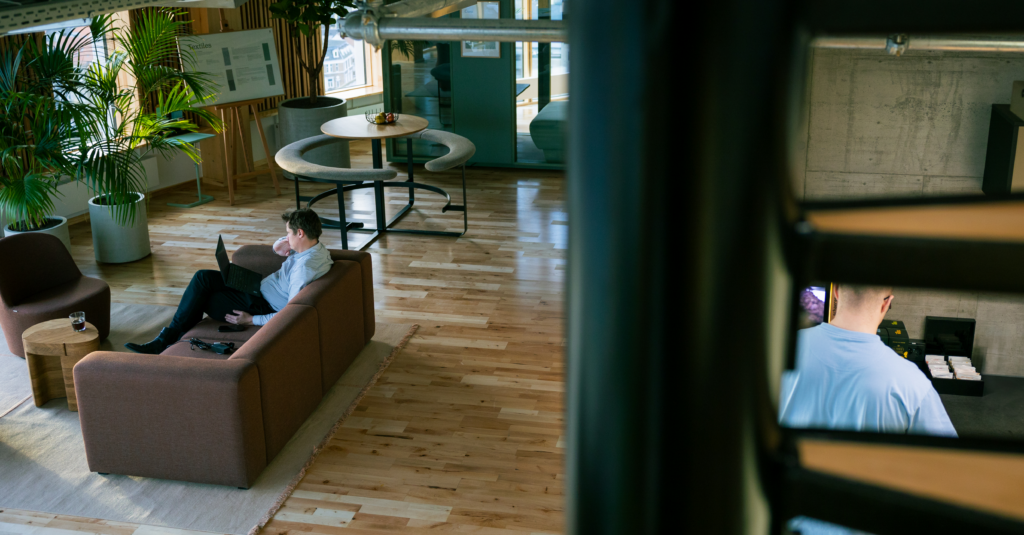
Work is an activity – not a place
Nearly 7 in 10 workplaces today operate with shared desks. But the highest-performing physical workplaces go further: they are designed with differentiated zones that support different types of work, far beyond the traditional open office of desks and meeting rooms1.
This approach to designing the workplace is known as Activity-Based Working (ABW). The concept was formalised in the mid-1990s by, among others, the Dutch consultant Erik Veldhoen and his firm Veldhoen + Company. The idea is based on the understanding that work is an activity – not a place.
From fixed seating to flexible zones
We work differently today than we did just 10 years ago. The answer to what makes a good office is no longer a fixed desk for everyone, but an environment adapted to tasks, teams, and the individual employee.
ABW is grounded in this premise: that work is asynchronous, that it changes character throughout the day, and that different activities require different types of spaces for optimal support.
94% of workplaces with the highest employee satisfaction rates let employees choose their seating.
Research reflects this. Studies show that 94% of workplaces with the highest employee satisfaction give employees a choice in where they sit within the office2. In addition, when flexibility and choice are integrated into the workplace design, perceived productivity and well-being increase3.
Today, ABW is one of the most widespread ways of thinking about the office – particularly in organisations that operate with hybrid working, agile workstyles, or collaborate across disciplines.
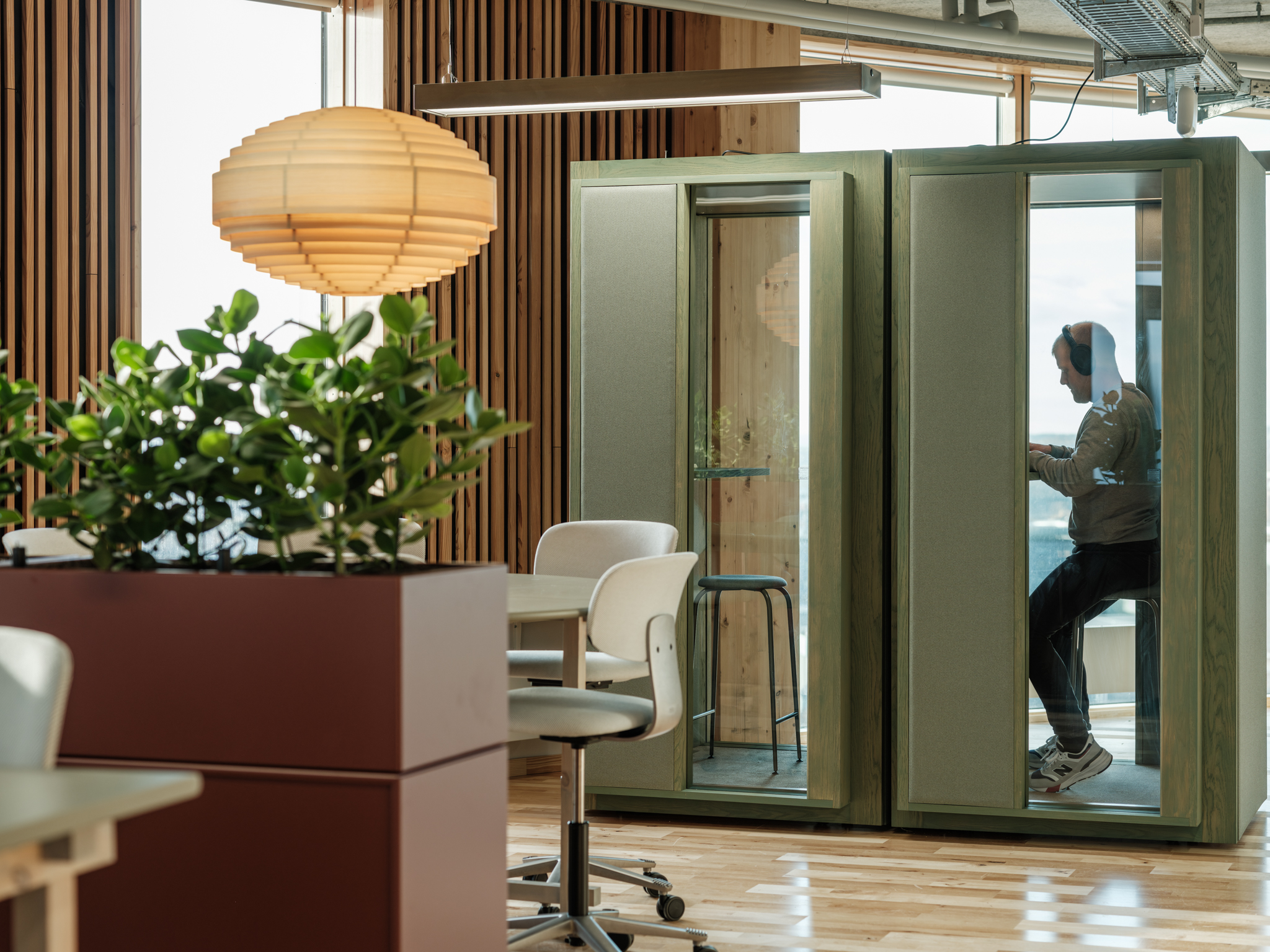
Phone & Teams spaces at Implement Consulting Group
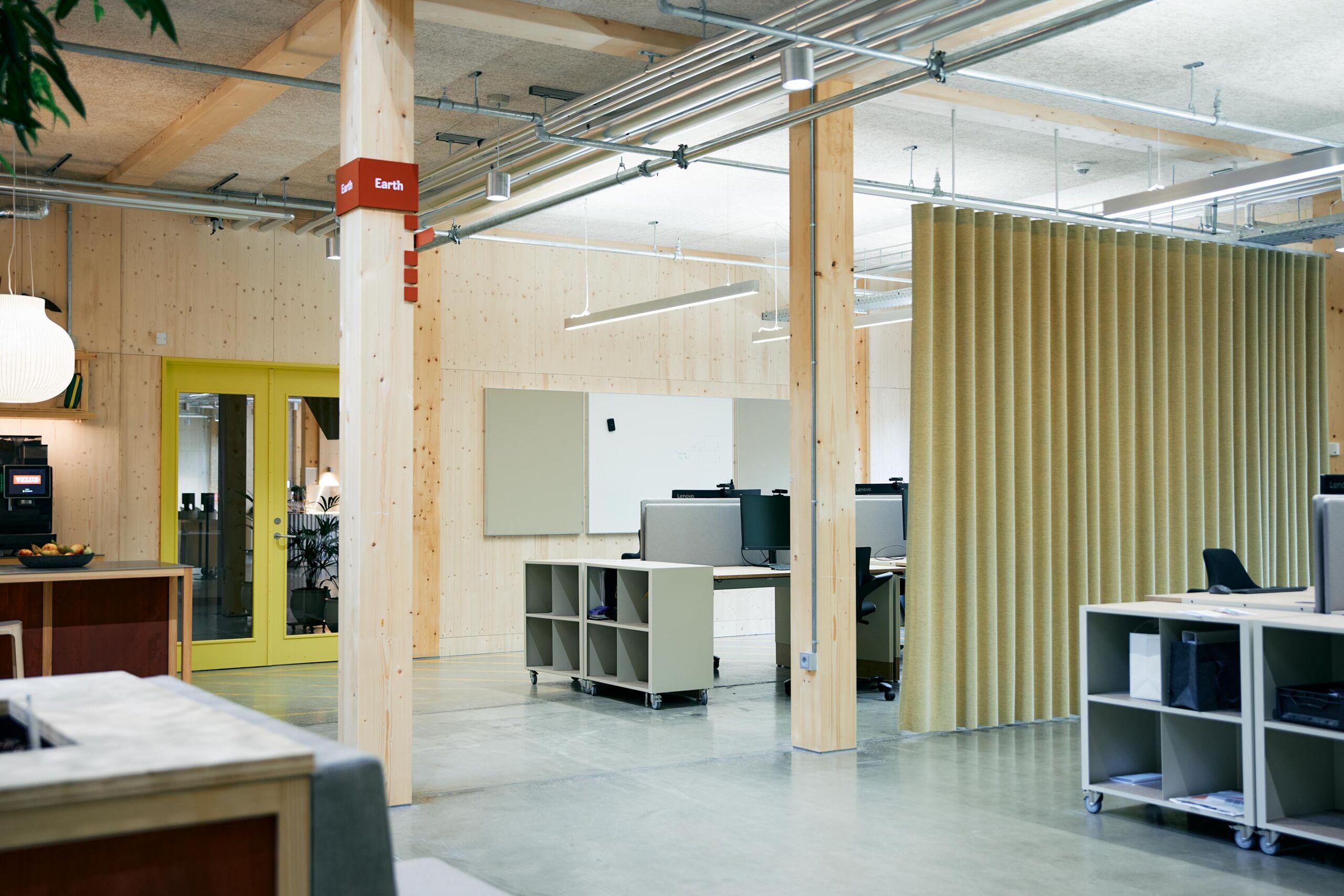
Home zones at VELUX LKR Innvation House
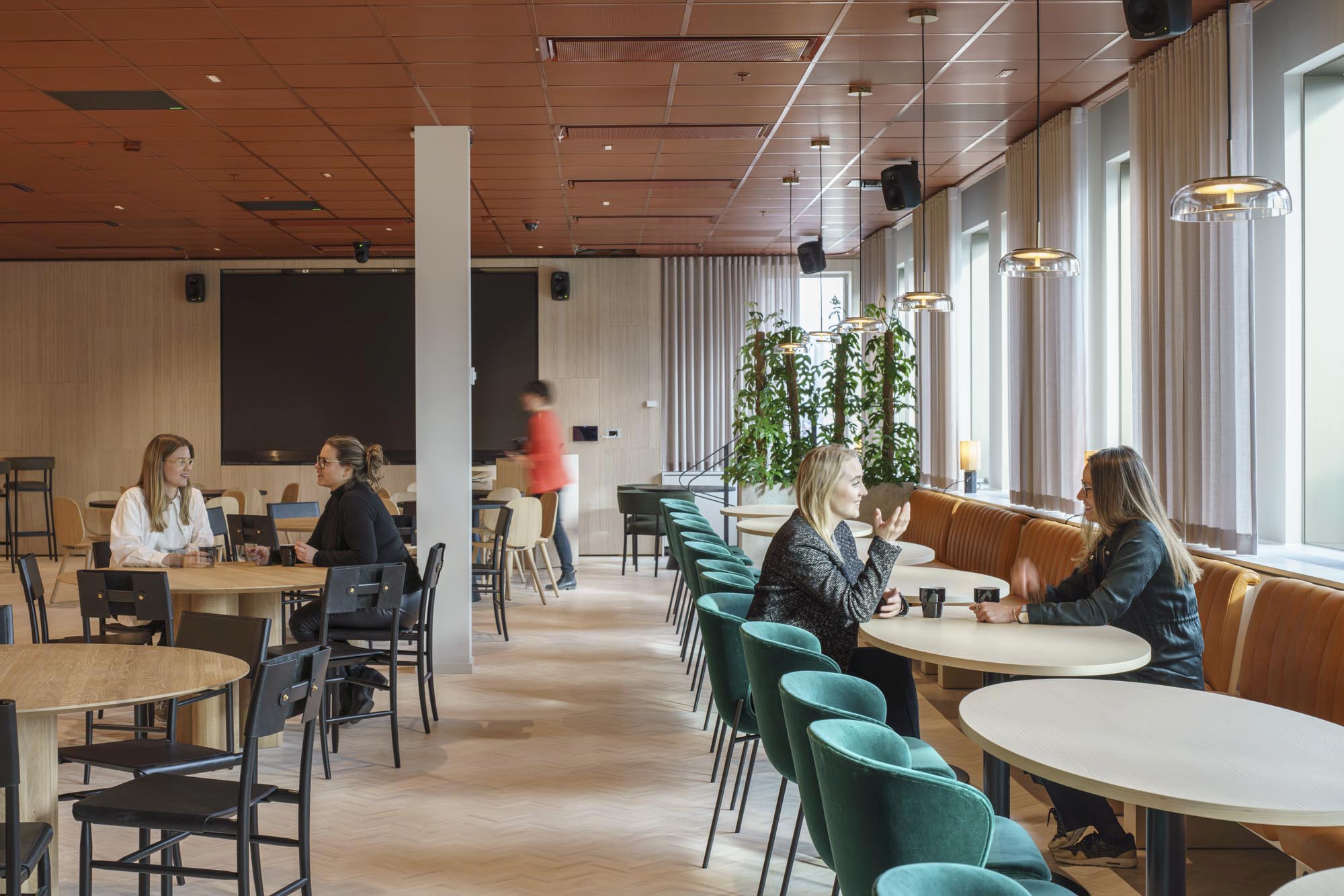
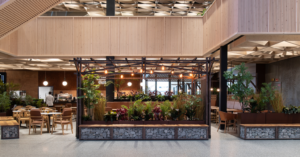
Café area at EY, Stockholm
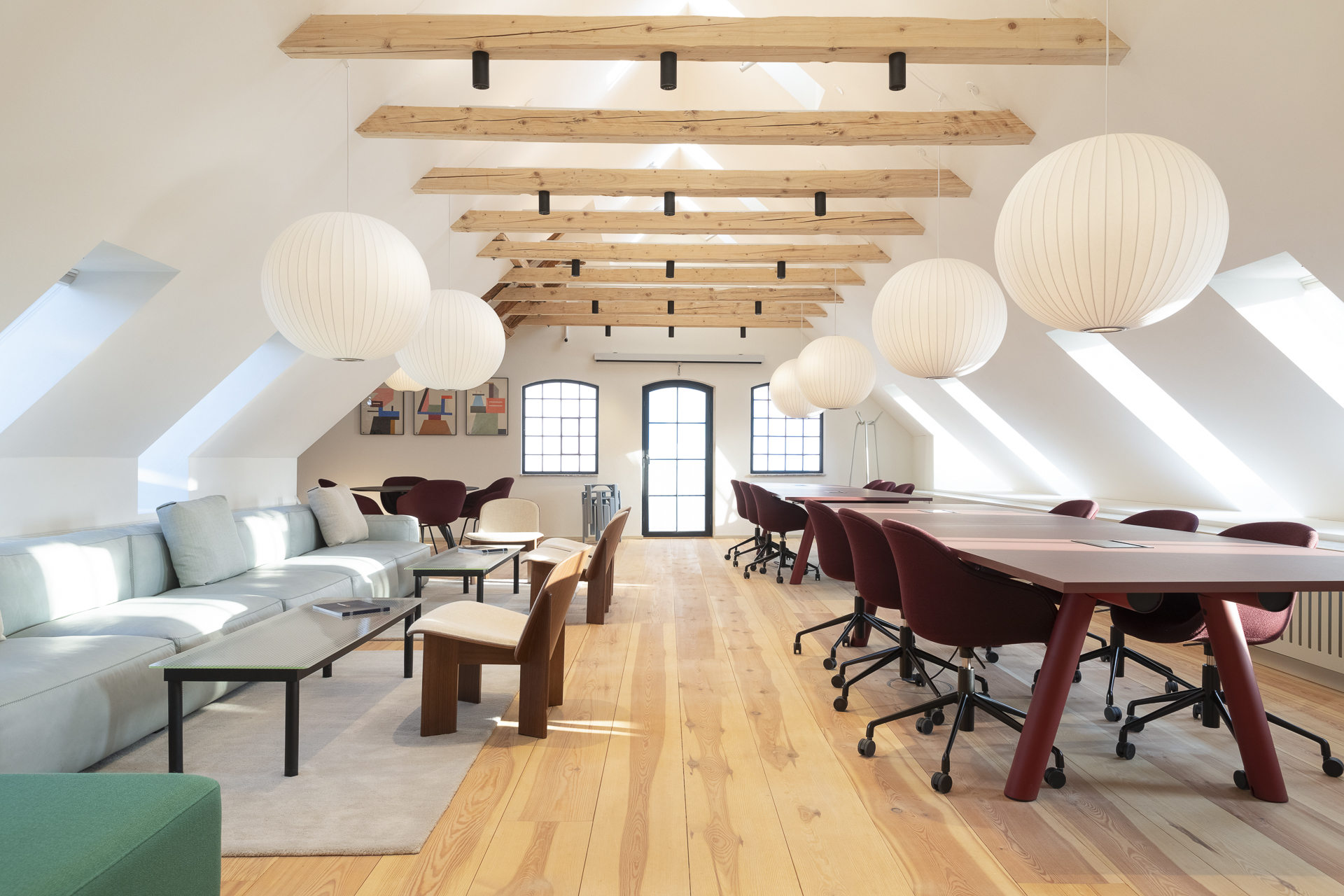
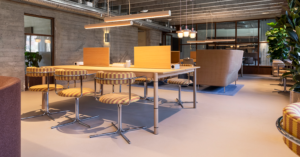
Collaboration zone at Norstens Workspace
The most common zones in an ABW environment
An activity-based office typically consists of a range of zones, each supporting different ways of working. Not as “rules,” but as options that should reflect your business, employee profiles, and ways of working.

Focus zones
Quiet areas for concentrated work and tasks that require silence. Unlike open-plan offices, no talking is allowed – neither across desks nor on the phone.

Home zones
Dynamic areas with desks, storage, and phone booths, often arranged so each team has a clear base.

Collaboration zones
Flexible spaces for quick decision-making, brainstorming, co-creation, short meetings, and informal chats.

Meeting & project rooms
Enclosed rooms that are designed for different types and sizes of meetings, projects, and gatherings.

Phone & Teams room
Individual and larger rooms for phone and Teams calls. Some are designed for hybrid meetings or facilitating online workshops.

Café & social areas
Café spaces, informal areas, or canteens where you can eat, meet, and enjoy a cosy, relaxed vibe – like in cafés.
The Office “Rules of Engagement”: Making it work
Want to get more out of your square metres?
Whether you share desks, have assigned seating, or work in larger or smaller offices, we can help tailor the right solution for you.
» Contact your local branch
Top photo: Implement Consulting Group, Aarhus
1. Leesman 2024: Article: The Desk Divide
2. Gensler: Global Workplace Survey 2024
3. Gensler: Global Workplace Survey 2025